Advancing justice anf upholding the rule of law are centeral principales.
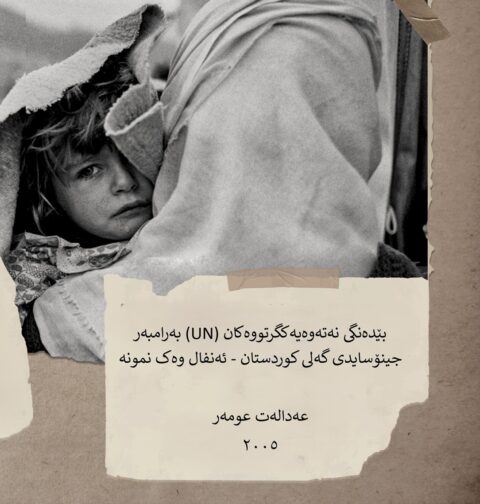
Preserving and developing the national archive of the genocide of the Kurdish people for future generations remains a core commitment
The Kurdistan Genocide National Archives (KGNA) is dedicated to preserving the memory of the Kurdish people and their historical experiences. Our mission is to document and raise awareness about the crimes committed against the Kurdish population, including war crimes, crimes against humanity, and Genocide.
Our vision for the future is to establish a comprehensive and accessible archive as a valuable resource for research, education, and promoting justice. We strive to ensure that the atrocities and injustices the Kurdish people face are acknowledged and understood and prevent their repetition.
We aim to provide a platform for historical truth and justice by collecting, preserving, and organizing archival records, documents, and testimonies. Our archive will serve as a testament to the resilience and strength of the Kurdish people and a reminder of the importance of upholding human rights and preventing future atrocities.
Through professional research, collaboration with international institutions, and engagement with the global community, we seek to create a world where Genocide and human rights abuses are never tolerated.
Our future efforts include expanding the scope of the archive, improving accessibility to information, and promoting dialogue and reconciliation.
We contribute to a more inclusive and compassionate world by remembering the past, understanding its complexities, and working towards a just future.
Preserving historical memory and investigating the facts are essential for recovery, reconciliation, and preventing future atrocities.
Together with our like-minded friends and experts in Kurdish society and other societies worldwide, we strive to build a brighter future based on justice, dignity, and respect for all individuals and communities.
Our work here is based on 27 years of work, activity, research, and experience in the field of Genocide, including practical, theoretical, and virtual research, as well as field trips to countries with relevant experiences of Genocide, including the Holocaust Memorial Museum and the International Commission on Missing Persons, and the Institute for Genocide Studies in Bosnia and Herzegovina.
Field trips to various genocide sites, Anfal, chemical attacks in Kurdistan, collecting written and visual documents, and oral history of their relatives are part of our efforts.
Participation in dozens of international conferences ،congresses on Genocide aims to archive and create a central database of missing persons with the following objectives:
1. Spreading knowledge about the genocide and disappeared people in Iraq and Kurdistan.
2. Understanding Iraq's international legal obligations regarding material and spiritual compensation, protection, and the digging of mass graves.
3. Identify data protection and document collection requirements.
4. Collect the personal information of missing persons.
5. Standardize all categories of missing persons for Genocide, war crimes, and crimes against humanity.
6. Archiving is an integral part of a nation's identity and plays a vital role in preserving the history of a country. It is also considered a fundamental aspect of transitional justice.
7. Archiving enables the documentation, study, explanation, and revelation of historical events, passing them from generation to generation.
8. It serves as a bridge connecting the past, the present, and the future, preventing forgetfulness and avoiding repeating historical mistakes.
9. Archiving is essential for providing compensation to the victims.
10. Documents are invaluable in making fair and impartial decisions; nothing is more valuable than well-documented evidence.
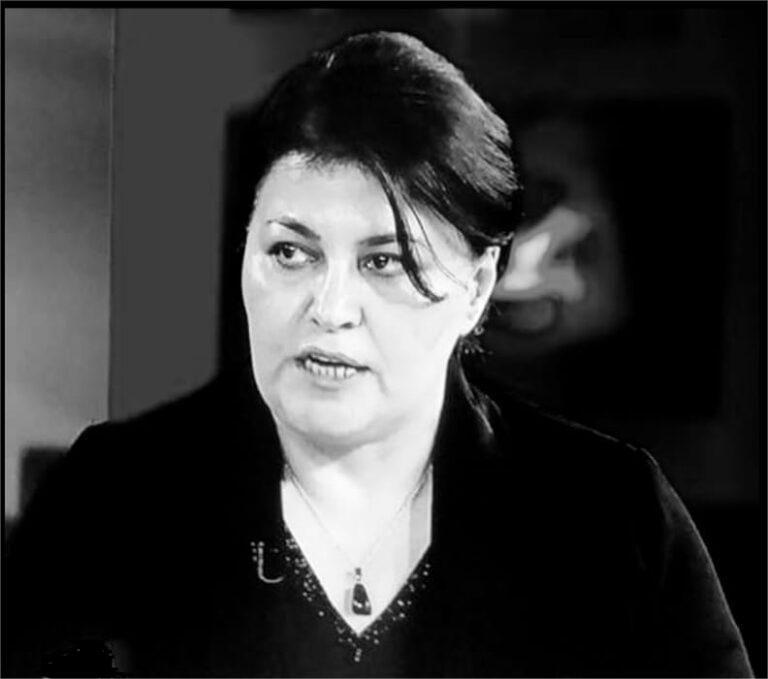
Adalat Omar
Author & Researcher